 Pagine
Watoto wa nta
A free picture book in Kiswahili by Southern African Folktale
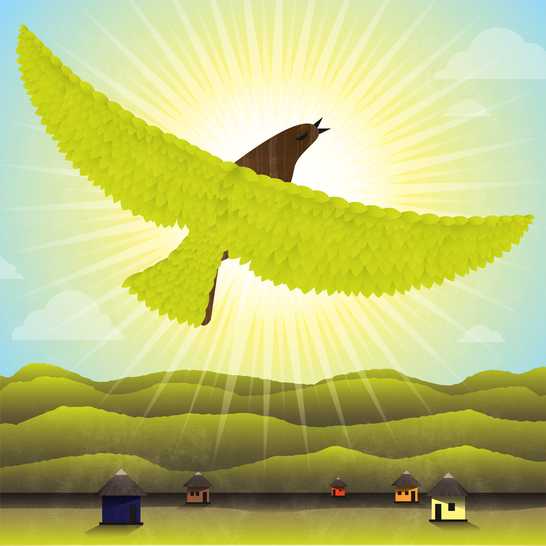
Watoto wa nta is a picture book in Kiswahili for ages 5–8 by Southern African Folktale that you can read free online in Pagine — no download, no cost.
📖 Read it free →- Language
- Kiswahili
- Written by
- Southern African Folktale
- Illustrated by
- Wiehan de Jager
- Translated by
- Mutugi Kamundi
- Reading level
- ages 5–8 · kindergarten to 2nd grade · Level 2 · First sentences
- From
- Kenya
- Source
- Global Storybooks
- Licence
- CC BY 3.0
- Price
- Free — read online, nothing to download
About this book
Watoto wa nta is a short illustrated picture book in Kiswahili by Southern African Folktale, illustrated by Wiehan de Jager and translated by Mutugi Kamundi. It is written for ages 5–8 (Grades 1–2) and is graded as Level 2 · First sentences, so it works as a read-aloud for little ones and as practice for children learning to read in Kiswahili. The book comes from Global Storybooks and is shared under an open CC BY 3.0 licence, which is why it is free to read. The same story is available in 30 other languages — handy for bilingual families and classrooms (see below).
How it begins
Hapo zamani za kale, paliishi familia yenye furaha. Hawakugombana hata kidogo. Watoto waliwasaidia wazazi nyumbani na shambani. Lakini, walikatazwa kwenda karibu na moto. Walifanya kazi zao zote usiku. Hii ni kwa sababu walikuwa wameumbwa kwa nta. Lakini, kijana mmoja alitamani…Opening lines quoted from the openly licensed book (CC BY 3.0).
This story in other languages
Reading the same story in two languages helps bilingual children connect words they already know. “Watoto wa nta” is also available in:
- Afrikaans · Kinders van was
- Bemba · Abaana bepula
- EkeGusii · Abanaba’mana
- English · Children of wax
- Jamaican Creole · Pikni dem we mek outa waks
- Kaonde · Baana Babupula
- Khoekhoegowab · ǂNuruǁnui ǀgôan xa
- Kikamba · Syana sya Mũvũa
- Kimaasai · Inkéra é emánóó
- Luganda · Abaana abaava mu nvumbo
- Lugbarati (official orthography) · Anzɨ Òdirì rʉ́ dɨ̀yɨ
- Lukhonzo · Abana b’enimba
- Lumasaaba · Babaana be buwuula
- Lunda · Anyana andunda
- Lunyole · Abaana bomu bulimbo
- Luvale · Vana vandunda
- Mauritian Creole · Zanfan Lasir
- Nyanja · Ana aphula
- Oshikwanyama · Ounona vedi
- Oshindonga · Uunona wezi
- Otjiherero · Ovanatje vonḓura
- Sepedi · Bana ba kerese
- Sesotho · Bana ba kerese
- Somali · Carruur xabkeed
- Spanish · Niños de cera
- Tonga · Bana Babunzuka
- Tswana · Bana ba kerese
- Turkana · Ng’Ide a Ng’Amonok
- Xhosa · Abantwana bekhandlela
- Zulu · Abantwana abenziwe ngamakhandlela
Reading together in Kiswahili
- Read it aloud first, pointing at the pictures; then let your child “read” the pictures back to you.
- Ask open questions: what happened, how did the character feel, what would you do?
- Growing up with two languages? Talk about the story in whichever language feels easiest — the understanding carries over.
More free books in Kiswahili
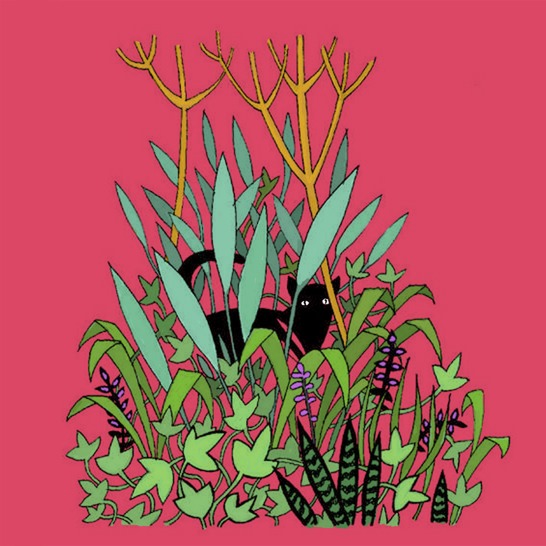 Wapi paka wangu?
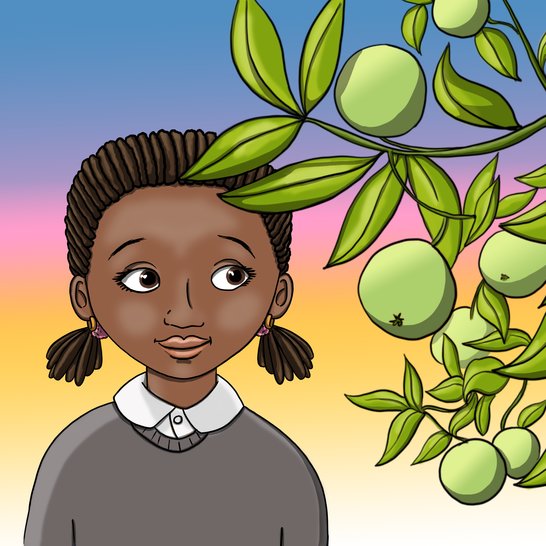 Khalai azungumza na mimea
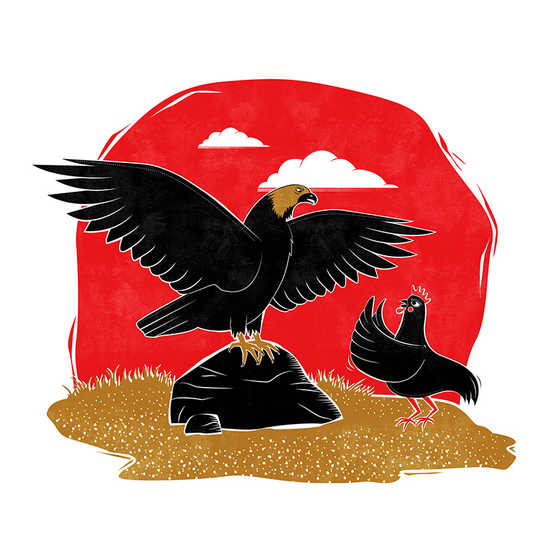 Kuku na Tai
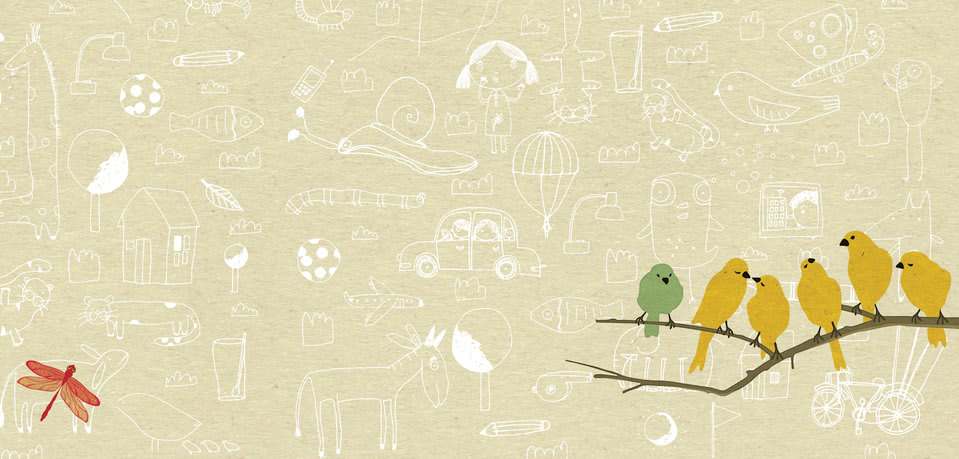 Nani Anaweza Kupuruka Bila Mabawa?
 Ninampenda Mama Yangu
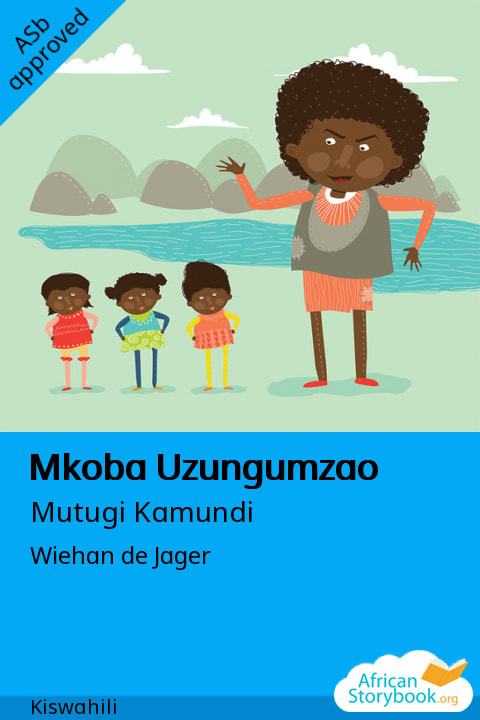 Mkoba Uzungumzao
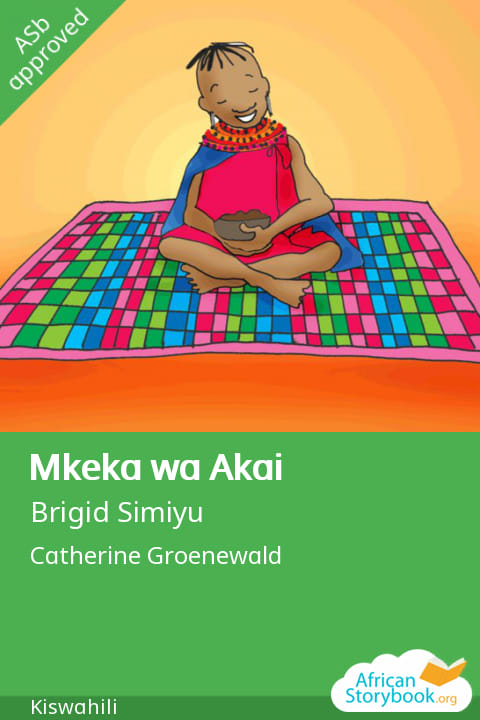 Mkeka wa Akai
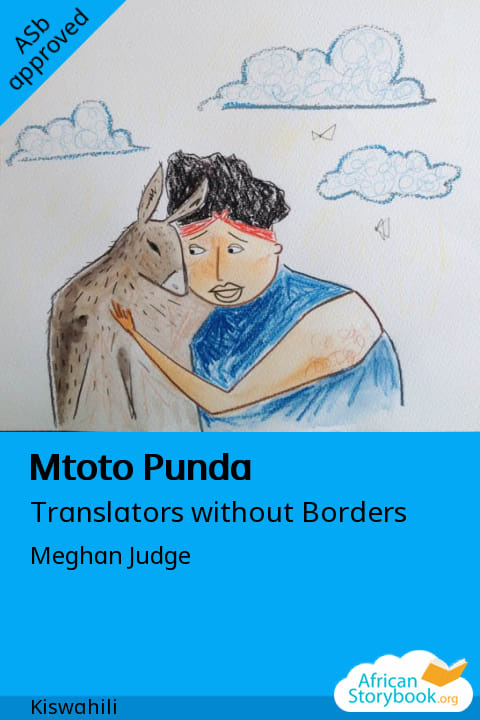 Mtoto Punda
See all 100 free Kiswahili books by reading level → · Books in 200+ languages · 👩🏫 Assign this book to a class
Frequently asked questions
Is “Watoto wa nta” free to read?
Yes. “Watoto wa nta” is free to read online in Pagine on any phone, tablet or computer — no payment and nothing to download. It is openly licensed (CC BY 3.0).
What language is “Watoto wa nta” in?
It is written in Kiswahili. Pagine has 100 free children’s books in Kiswahili.
What age is “Watoto wa nta” for?
It is best for ages 5–8 (Level 2 · First sentences). Younger children can enjoy it read aloud.
Is “Watoto wa nta” available in other languages?
Yes — the same story is in English, EkeGusii, Kikamba, Kimaasai, Turkana, Somali and more.
Who wrote “Watoto wa nta”?
“Watoto wa nta” was written by Southern African Folktale and illustrated by Wiehan de Jager; the Kiswahili translation is by Mutugi Kamundi.

Log books, set goals and build a daily reading habit — free on iOS, Android and the web.
Get the free app →Credits: Watoto wa nta — Written by Southern African Folktale; Illustrated by Wiehan de Jager; Translated by Mutugi Kamundi; Read by Lauwo George. Kiswahili, Level 2. From Global Storybooks (global-asp.github.io/storybooks-kenya), originally from the African Storybook (https://africanstorybook.org/reader.php?id=2181). CC BY 3.0. · Page updated October 2026